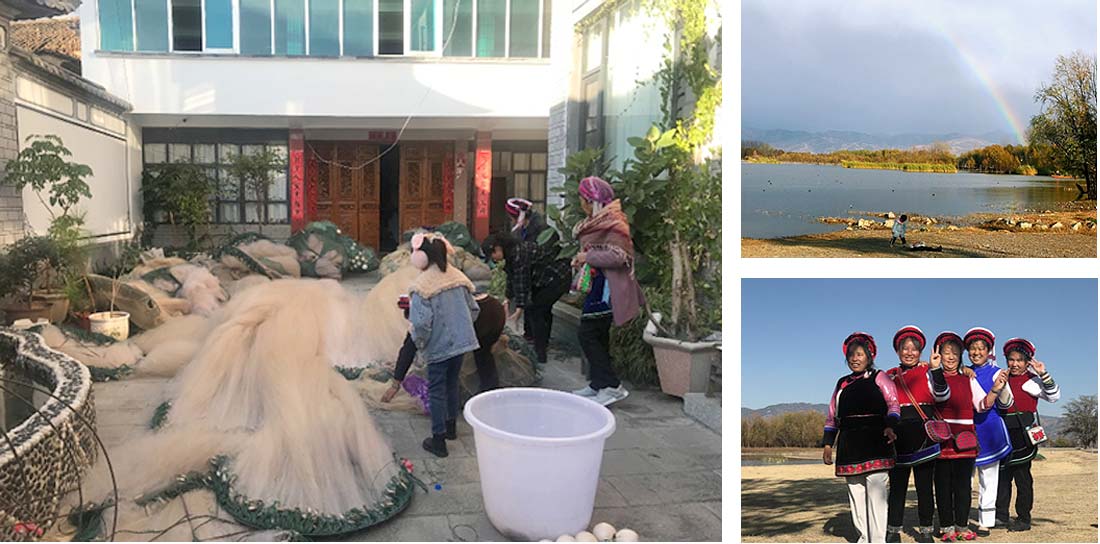
A critical new study analyzes the often-overlooked gender-specific consequences of fishing bans implemented for conservation. Focusing on China's Erhai Lake, the research reveals that while the ban aimed for sustainability, it disproportionately impacted women in traditional fishing communities. Women were excluded from fishing, faced significant household income loss, and bore an increased burden of managing strained finances. Crucially, the study highlights intersectional vulnerability: poorer women were affected most severely due to fewer resources and were further burdened by men's stress-induced gambling, draining household income. This underscores that effective and equitable fisheries management must incorporate gender-specific and intersectional analysis, particularly to protect the most vulnerable—poor women—who experience the heaviest socio-economic costs of conservation policies. A vital read for sustainable development practitioners.
This Story is based on the article:
Tang, S. and Kusakabe, K., 2025. Conflict Between Conservation and Livelihood: Gender‐Specific Impacts of a Fishing Ban on Erhai Lake, China. Fisheries Management and Ecology https://doi.org/10.1111/fme.70000
Authors
- Sai Tang, Asian Institute of Technology, Pathumthani, Thailand
- Prof. Kyoko Kusakabe, Asian Institute of Technology, Pathumthani, Thailand
Journal
Fisheries Management and Ecology
This entry was posted in: Asia, China, Conservation, Fisheries, Freshwater Fisheries, Gender, Livelihoods, Sustainable Development, Men, Women